introduction
Why Atomic Habits Is One of the Most Important Books of Our Time
Atomic Habits Summary, most people don’t fail because they lack goals. They fail because they don’t understand how change actually works.
Every year, millions of people promise themselves they will wake up earlier, read more books, exercise regularly, eat better, save money, or finally break bad habits. The motivation feels strong at the beginning. The intention is real. Yet weeks later, most of those habits disappear, leaving behind guilt and frustration.
This repeated failure creates a dangerous belief:
“Something is wrong with me.”
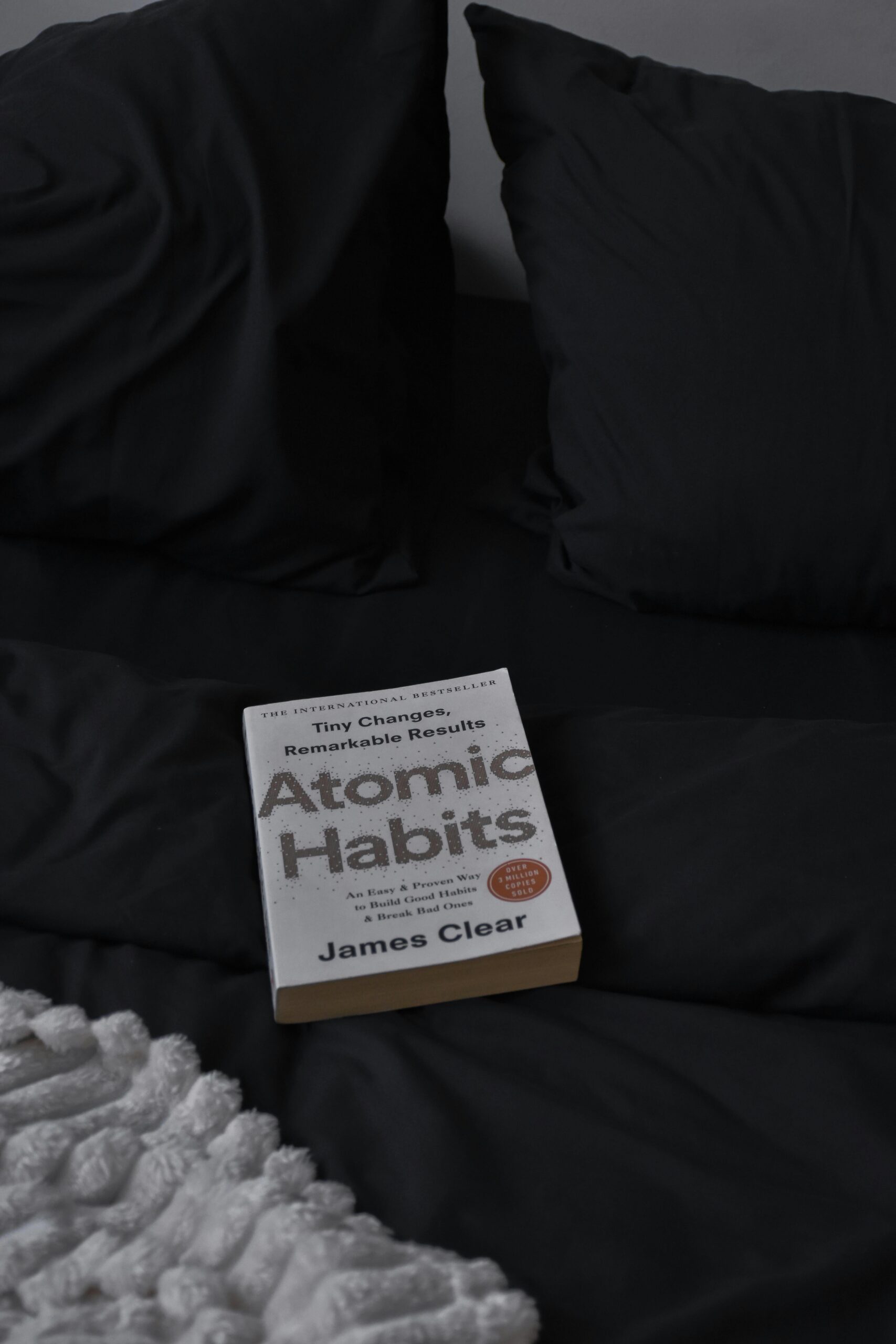
Atomic Habits by James Clear challenges that belief completely.
Instead of blaming people, the book explains that the real problem is the way habits are usually taught. Most advice focuses on motivation, discipline, or willpower. But willpower is unreliable. Motivation fades. Life gets busy. Stress takes over.
James Clear offers a different perspective—one that feels realistic, forgiving, and empowering.
The book’s core message is simple but life-changing:
You do not rise to the level of your goals. You fall to the level of your systems.
This single idea explains why so many intelligent, hardworking people still struggle with consistency. They focus on what they want to achieve, but not how their daily behavior supports it.
Why Atomic Habits Feels Different from Other Self-Help Books
Many self-help books rely on emotional motivation. They inspire you for a moment but leave you without a clear plan. Atomic Habits takes the opposite approach.
This book does not:
- Shout at you to “work harder”
- Shame you for past failures
- Promise instant transformation
- Push unrealistic routines
Instead, it calmly explains how tiny actions, done consistently, reshape your identity and your life over time.
James Clear understands something most people miss:
big changes rarely start with big actions.
They start with small, almost invisible habits.
That is why the word atomic matters so much. These habits are small enough to feel manageable, but powerful enough to create massive long-term change.
The Real Problem People Face With Habits
The problem isn’t laziness.
The problem isn’t lack of intelligence.
The problem isn’t even lack of discipline.
The real problem is that most people:
- Try to change everything at once
- Set goals without systems
- Rely on motivation instead of environment
- Expect fast results from slow processes
Atomic Habits helps readers understand that failure is often built into the method, not the person.
Once you see this clearly, something shifts. You stop blaming yourself and start designing better systems.
Why This Book Matters in Today’s World
Modern life works against good habits.
We live in a world of:
- Constant notifications
- Instant gratification
- Endless scrolling
- High stress and low attention
In this environment, relying on discipline alone is exhausting. Atomic Habits teaches readers how to work with human nature instead of fighting it.
The book explains how:
- Environment shapes behavior more than motivation
- Small wins build confidence
- Identity drives long-term consistency
- Progress is often invisible before it becomes obvious
These ideas are especially valuable today, when attention is limited and distractions are everywhere.
What You Will Gain from This Book (And This Summary)
Reading Atomic Habits is not about becoming perfect. It’s about becoming slightly better, consistently.
By understanding the ideas in this book, you will learn how to:
- Build habits that actually stick
- Break bad habits without guilt or force
- Create routines that fit real life
- Improve slowly without burnout
- Trust the process of small progress
This summary and review is written to help you truly understand the book—not just what it says, but how to apply it in real life.
A Book That Respects the Reader
One reason Atomic Habits has remained popular for years is that it respects the reader’s reality.
It assumes:
- You are busy
- You will make mistakes
- You don’t have unlimited energy
- Change takes time
And instead of judging you for that, it gives you tools that work because of those limitations.
That is why this book resonates with so many people—from students to professionals, beginners to experienced readers.
Why This Introduction Matters
Understanding why this book matters prepares you to understand how its ideas work.
This is not a book to skim and forget. It is a book to return to, reflect on, and apply gradually.
And when you do, you may realize something important:
You don’t need to change your life overnight.
You only need to change what you do today.
About the Author: James Clear
James Clear is a writer and speaker known for his work on habits, behavior change, and continuous improvement. His writing combines psychology, neuroscience, and real-world examples in a way that is easy to understand and apply.
Before Atomic Habits, Clear built a large audience through his blog and newsletter, where he shared insights on habits and personal development. His credibility comes not only from research, but from his ability to translate complex ideas into simple actions.
James Clear’s writing style is:
- Clear and structured
- Practical rather than emotional
- Backed by research and examples
- Focused on long-term behavior change
This balance between science and simplicity is one of the main reasons Atomic Habits became so widely trusted and recommended.
Book Summary: What Atomic Habits Is Really About
At its core, Atomic Habits is not a book about motivation, productivity hacks, or extreme discipline. It is a book about understanding how human behavior actually works—and how small, repeated actions quietly shape the direction of our lives.
James Clear’s main argument is simple but deeply important: lasting change does not come from dramatic transformations, but from small habits practiced consistently over time. These habits may feel insignificant in the moment, but their long-term impact is powerful.
The book challenges the common belief that success is the result of sudden breakthroughs. Instead, it shows that success is usually the outcome of many small decisions made daily—often unnoticed, often underestimated.
The Meaning Behind “Atomic” Habits
The word atomic is carefully chosen, and James Clear explains it in two ways:
- Atomic means small — tiny actions that seem almost too simple to matter
- Atomic means powerful — like atomic energy, these habits contain immense potential
An atomic habit is a behavior so small that it feels easy to do, yet strong enough to change your identity and results over time.
For example:
- Reading one page a day
- Doing one push-up
- Writing one sentence
- Saving a small amount of money
On their own, these actions seem meaningless. But repeated daily, they compound into major outcomes.
The book emphasizes that progress is often invisible before it becomes obvious. This explains why many people quit too early—they don’t see immediate results and assume nothing is happening.
The Compounding Effect of Habits
One of the most powerful ideas in Atomic Habits is the concept of compounding.
Just like money grows through compound interest, habits grow through repeated action. A small improvement made consistently will eventually outperform a big effort made occasionally.
James Clear explains that:
- Good habits compound in positive ways
- Bad habits compound in negative ways
- Time magnifies the impact of both
This means habits are not neutral. Every habit you practice is either helping you or hurting you, even if the effects are not visible yet.
Why Goals Often Fail (And Habits Don’t)
Another central idea in the book is the difference between goals and systems.
Goals are about outcomes:
- Losing weight
- Writing a book
- Becoming successful
Systems are about processes:
- Eating habits
- Writing routines
- Daily behaviors
James Clear argues that goals are not bad, but they are limited. Goals tell you where you want to go, but systems determine whether you get there.
This explains why:
- Two people with the same goal can get very different results
- Achieving a goal does not guarantee long-term success
- Focusing only on goals can lead to frustration
The book encourages readers to fall in love with the process, not the outcome.
Identity Is the Real Driver of Change
Perhaps the most important message in Atomic Habits is that true behavior change starts with identity.
Most people try to change habits from the outside in:
- Outcomes → Habits → Identity
James Clear says lasting change works from the inside out:
- Identity → Habits → Outcomes
Instead of asking:
- “What do I want to achieve?”
The better question becomes:
- “Who do I want to become?”
Each small habit becomes a vote for the type of person you believe you are. Over time, those votes reshape your identity.
This idea is what makes Atomic Habits more than a habit book—it becomes a guide for personal transformation.
What the Book Is Really Teaching
When you step back, Atomic Habits is really about:
- Designing a life that supports good behavior
- Making success easier and failure harder
- Working with human nature instead of fighting it
- Building trust in slow, consistent progress
It teaches that you don’t need to be extreme to improve. You need to be consistent.
And that realization alone changes how people approach growth.
The key lesson:
Your habits shape your future more than your goals do.
The Habit Loop: How Habits Actually Work
The book explains habits through a simple four-step process:
- Cue – The trigger that starts the habit
- Craving – The desire for a change in state
- Response – The action you take
- Reward – The benefit you receive
Understanding this loop helps you design better habits and break bad ones.
Identity-Based Habits: The Core Idea of the Book
One of the most important concepts in Atomic Habits is identity-based change.
Most people focus on:
- What they want to achieve (goals)
- What they want to do (habits)
James Clear argues that lasting change comes from focusing on:
- Who you want to become
Instead of saying:
“I want to read more”
You shift to:
“I am a reader”
Every small habit becomes a vote for the type of person you want to be.
This identity-based approach makes habits stick because they align with self-image rather than temporary motivation.
The Four Laws of Behavior Change
James Clear introduces four laws to build good habits and break bad ones.
1. Make It Obvious
Design your environment so good habits are visible and easy to start.
2. Make It Attractive
Pair habits with rewards or enjoyable elements.
3. Make It Easy
Reduce friction. Start small. Lower the barrier to action.
4. Make It Satisfy
Immediate rewards reinforce behavior.
To break bad habits, reverse these laws.
Key Themes & Messages
Systems Beat Goals
Goals set direction. Systems create progress.
Environment Shapes Behavior
Willpower is unreliable. Environment is powerful.
Consistency Over Intensity
Small actions done daily outperform big actions done rarely.
Habit Tracking Builds Awareness
What gets measured gets improved.
Practical Takeaways You Can Apply Today
- Start with habits that take less than two minutes
- Focus on identity, not outcomes
- Design your environment intentionally
- Track progress visually
- Be patient with results
Pros and Cons of Atomic Habits
Pros
- Extremely practical
- Easy to understand
- Backed by research
- Actionable strategies
- Suitable for beginners and advanced readers
Cons
- Less emotional storytelling
- Some concepts may feel repetitive for advanced readers
- Not focused on deep emotional healing
Who This Book Is For (And Not For)
This book is for:
- People struggling with consistency
- Beginners in personal development
- Anyone wanting sustainable change
- Readers who prefer practical advice
This book is not for:
- Those seeking instant motivation
- Readers wanting spiritual or emotional depth
- People expecting dramatic overnight change
Comparison: Atomic Habits vs Other Habit Books
Compared to The Power of Habit, Atomic Habits is more practical and actionable.
Compared to Tiny Habits, it focuses more on identity and systems.
FAQs
Is Atomic Habits worth reading?
Yes, especially if you want practical, long-term change.
Can beginners understand this book?
Absolutely. The language is simple and clear.
Does Atomic Habits help break bad habits?
Yes, by reversing the habit laws.
Is this book science-based?
Yes, but explained in plain language.
How long does it take to see results?
Results depend on consistency, not speed.
Final Verdict & Recommendation
Atomic Habits is one of the most practical self-improvement books ever written. It doesn’t rely on hype or motivation. It teaches readers how real change actually happens — slowly, consistently, and through systems.
If you apply even a few ideas from this book, your habits — and your life — will improve.
This is a book worth reading, revisiting, and applying.
Short Summary
Atomic Habits teaches how small habits create big results through consistency, identity, and smart systems.
Final Takeaway
You don’t rise to your goals — you fall to your systems.
Suggested Related Posts
- Best Books for Personal Growth and Mindset
- How to Build a Daily Reading Habit
- Best Self-Improvement Books for Beginners
- How to Stay Consistent With Good Habits