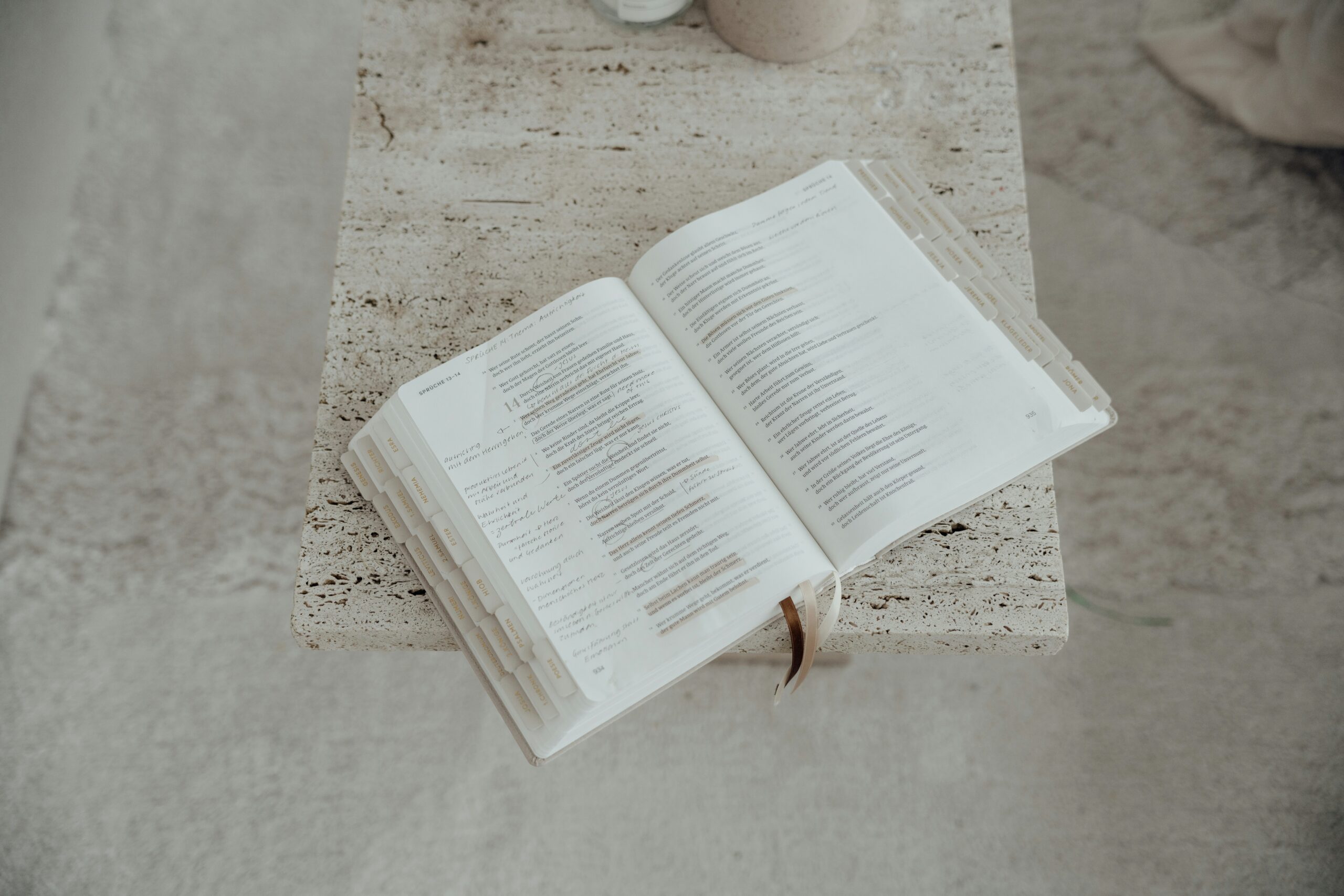

Ever sat down with a book only to find your mind wandering after one page? Many people find it hard to focus during busy times. Finding the ideal schedule can make reading a source of pure joy.
Everyone has a unique internal clock that tells them when they’re most alert. By understanding your own rhythm, you can dive deep into every chapter. Find out how to discover that perfect moment to start your next favorite story.
You deserve a quiet time where stories take center stage. Finding this balance makes learning or enjoying fiction more effective. Your focus needs a quiet space. Grab your favorite mug and get ready to focus.
Key Takeaways
- Identify when your brain feels sharpest.
- Match specific genres with energy levels.
- Create a sanctuary free from phone alerts.
- Utilize natural light during peak sunlight hours.
- Practice short sessions building mental stamina.
- Monitor what your body tells you.
Understanding Your Brain’s Natural Reading Rhythms
Knowing your brain’s natural reading rhythms is key to better concentration. Your brain has an internal clock called the circadian rhythm. It controls your sleep, hormone release, and how well you think.
The circadian clock is important for your concentration levels during the day. It helps decide when your brain is ready to focus or relax.
How Your Circadian Clock Affects Concentration
Your circadian clock impacts concentration by managing certain chemicals in your brain. For example, cortisol, known as the “alertness hormone,” is at its highest in the morning. This helps you feel more awake and focused.
Here are some ways your circadian clock affects concentration:
- Cortisol levels: Higher in the morning, promoting alertness.
- Body temperature: Peaks in the late morning, improving thinking skills.
- Melatonin levels: Rise in the evening, telling your body it’s time to relax.
The Science of Peak Mental Performance
Studies show that mental performance changes throughout the day. Most people’s thinking skills, like memory and problem-solving, are best in the late morning.
Several factors contribute to peak mental performance:
- Adenosine levels: Affect how alert or sleepy you feel.
- Dopamine and norepinephrine: These chemicals help with motivation and focus.
- Alertness: Best when your body temperature is highest.
By understanding how your circadian clock impacts your concentration, you can find the best time to read. This helps you read more efficiently.
Morning Reading: Harnessing Your Fresh Mental Energy
Using the morning for reading can change your life. Your brain is fresh after a good night’s sleep. This means you have more mental energy for deep focus.
Why Early Morning Works for Deep Focus
Reading in the early morning uses your brain’s natural rhythm. After sleep, your brain is ready for its best work. The morning is also less busy, making it easier to focus.
The body’s cortisol levels are higher in the morning. This hormone helps you feel alert and focused. Reading in the morning uses this natural energy boost.
The 5 AM to 9 AM Reading Window
The best time to read is between 5 AM and 9 AM. It’s quieter and less distracting. This makes it easier to get into your reading.
To get the most from morning reading, set a regular time. Choose a quiet spot and stick to your reading plan. Doing this can really improve your focus and memory.
Mid-Morning Reading Sessions for Optimal Retention
Reading in the mid-morning is great for keeping information in your mind. Your brain is at its best after waking up. This time is perfect for reading and understanding what you read.
The 10 AM Concentration Sweet Spot
Studies show that 10 AM is the best time for focus. By then, morning distractions are gone, and you’re ready to learn. Reading at this time helps you remember more. Try to read during this peak time.
To get the most out of 10 AM, wake up a bit earlier. Have a relaxed breakfast and some exercise. This gets your mind ready for reading.
Combining Reading with Your Morning Routine
Adding reading to your morning can be both enjoyable and helpful. Start by setting aside 30 minutes each day for reading. Sticking to it helps build a habit and boosts your focus.
- Start with a short time and grow it as you get used to it.
- Find a quiet place without distractions for reading.
- Try different types of reading, like books, e-books, or audiobooks, to see what you like best.
Afternoon Reading: Navigating the Post-Lunch Slump
The afternoon can be tough to focus on reading because of a drop in energy after lunch. This makes it hard to keep your mind on what you’re reading.
Why 2 PM Can Be Challenging for Focus
2 PM is often hard to stay focused. This is because of your body’s natural rhythm and the post-lunch dip. After lunch, your body sends more blood to your stomach for digestion, making you feel tired.
Also, the early afternoon is when alertness naturally drops. This makes it even harder to stay focused on your reading.
Factors contributing to decreased afternoon concentration include:
- The natural post-lunch dip in alertness
- Increased blood flow to the digestive system
- A possible drop in blood sugar levels
- The effect of morning mental activities
Strategies to Boost Afternoon Concentration
To beat the afternoon reading slump, try a few strategies. First, change your lunch to include foods that keep you alert and give you energy for a while. Foods high in protein and complex carbs are good choices.
Other effective strategies include:
- Take a short walk or do some light exercise before reading to get your blood flowing and brain oxygenated.
- Make your reading space cool, well-lit, and free from distractions.
- Use the Pomodoro Technique: read in focused 25-minute blocks, then take a 5-minute break.
- Stay away from screens for at least 30 minutes before reading to avoid eye strain and mental tiredness.
By using these tips, you can better focus during your afternoon reading. This will help you make the most of your time.
Evening Reading: Finding Your Wind-Down Window
Evening reading is a mix of calm and mental fun, perfect for unwinding after a busy day. It helps calm your mind while keeping your brain active. This makes it a great way to relax and stay mentally sharp.
The evening is a special time to reflect, dive into a new world, or learn something new. It’s when you can enjoy reading without the day’s rush and distractions.
The 6 PM to 8 PM Reading Zone
The hours from 6 PM to 8 PM are great for reading. Many people finish their day and start to relax during this time. This window is perfect for reading because it helps you move away from daily stress.
Reading in this time helps your brain know it’s time to relax. It’s a great chance to dive into a book, whether it’s fiction, non-fiction, or a mix.
Balancing Relaxation and Mental Engagement
Evening reading is special because it relaxes your mind while keeping it active. You’re processing stories or information, which is good for your brain. This balance is key for keeping your mind sharp and helps you unwind in the evening.
To get the most from evening reading, pick something that’s engaging but not too hard. You want to relax but also keep your brain active. Try different books and authors to find what works best for you.
Night Reading: Benefits and Drawbacks Before Bed
Reading before bed can be good or bad for your sleep and health. It’s important to think about both sides to decide if it’s good for you.
Reading at night can calm you down and get you ready for sleep. It helps you forget about the day’s stress and relaxes your mind.
When Night Reading Enhances Your Routine
Night reading can make your bedtime routine better in many ways:
- It helps you relax and sleep better.
- It’s a quiet, personal activity that lets you escape the day’s demands.
- It can also help your mental health by distracting you from stress and anxiety.
But, not all reading is the same. What you read matters a lot. Fiction or poetry is usually more relaxing than non-fiction or work-related materials. These can keep your mind busy and make it hard to sleep.

When to Avoid Reading Before Sleep
While night reading can be good, there are times when you should skip it:
- Reading on screens can mess with your sleep hormone, melatonin.
- Stimulating or stressful content can keep your mind awake.
- If you get too caught up, you might read too late and lose sleep.
To get the most out of night reading without the downsides, use blue light filtering glasses or apps. Choose calming content and set a timer or stop reading early to avoid staying up too late.
How Your Chronotype Determines the Best Time of Day to Read Books for Better Concentration
Knowing your chronotype is key to finding the best time to read. Your chronotype, or internal clock, controls your sleep and wake cycle. It also affects your energy levels all day. Reading at the right time can boost your focus and memory.
Identifying If You’re a Morning Lark or Night Owl
Your chronotype puts you into one of two groups: morning lark or night owl. Morning larks wake up early and are most alert in the morning. Night owls, on the other hand, are more active later in the day and stay up late.
To figure out your chronotype, watch how you naturally sleep and wake up. Ignore alarms and other schedules.
Key indicators of your chronotype include:
- What time do you naturally wake up on weekends or days off?
- When do you feel most alert and focused during the day?
- What is your preferred sleep schedule?
Matching Your Reading Schedule to Your Natural Rhythm
After finding out your chronotype, adjust your reading schedule to fit your natural energy highs. Morning larks should read early, while night owls might do better later in the day or evening.
Here are some tips to match your reading to your chronotype:
- Try reading at different times to see when you’re most focused.
- Read your hardest material when you’re most energetic.
- Choose a reading spot that fits your chronotype, like a bright room in the morning or a cozy spot at night.
By understanding and using your chronotype, you can improve your reading focus. This makes your reading time more effective.
Testing Different Reading Times to Find Your Peak
Try reading at different times to see when you’re most focused. A simple four-week experiment can help you find your best time.
Week 1: Conduct Your Morning Reading Experiment
Start by reading in the morning. Choose a time between 5 AM to 9 AM. Note how well you focus and understand what you read.
Tip: Keep a journal to record your observations daily.
Week 2: Try Afternoon Reading Sessions
Move your reading to the afternoon, around 2 PM. See how your focus changes after lunch.
Pay attention to your energy and distractions during this time.
Week 3: Assess Evening Reading Performance
Try reading in the evening, from 6 PM to 8 PM. See how your brain handles reading after a day’s work.
Think about how your day affects your evening reading.
Week 4: Analyze Your Results and Choose Your Best Time
By the fourth week, you’ll have enough data to compare your reading times. Make a table to organize your findings.
| Time of Day | Concentration Level | Comprehension |
|---|---|---|
| Morning | 8/10 | 90% |
| Afternoon | 6/10 | 80% |
| Evening | 7/10 | 85% |
After looking at your data, you’ll know when you’re most focused and productive while reading.
Creating Your Ideal Reading Environment by Time of Day
To get the most out of your reading, it’s important to set up the right space for the time of day. The place you read can really affect how well you focus and understand what you’re reading.
Different times of day offer different challenges and chances to create a good reading space. For example, morning light is very different from the artificial light used in the evening. Knowing these differences helps you make your reading area better.
Setting Up Your Morning Reading Space
In the morning, natural light is a big help. Place your reading spot near a window to enjoy the soft, natural light. This not only cuts down on eye strain but also helps keep your body clock in sync.
Tips for a morning reading space:
- Choose a comfy, ergonomic chair to support your back while reading.
- Keep your space tidy to avoid distractions and create a peaceful vibe.
- Have a side table or stand for your books and a drink, so they’re easy to get to.

Optimizing Your Afternoon Reading Area
The afternoon can be tough, with the post-lunch slump and distractions from work or family. To overcome this, make a reading area that’s both comfy and helps you focus.
Afternoon reading area tips:
- Go for soft, warm lighting to make a cozy spot that encourages relaxation and focus.
- Try noise-cancelling headphones or calming music to block out annoying sounds.
- Keep your books and materials organized and close by to avoid getting up and losing your train of thought.
Designing Your Evening Reading Ambiance
In the evening, aim to create a calming atmosphere that helps you unwind. Soft lighting and comfy seating are key.
Evening reading ambiance tips:
- Use dimmable lights or table lamps for a warm, inviting glow.
- Invest in a comfy reading chair or pillow to support your back and help you relax.
- Stay away from screens (like TVs or phones) near your reading area to avoid distractions and blue light.
By adjusting your reading space to the unique needs of different times of day, you can greatly improve your reading experience and productivity.
Building a Sustainable Reading Schedule That Works
Creating a reading routine that fits your life is key to success. You need to think about your daily habits, reading goals, and what you enjoy.
Align Your Reading Time with Your Daily Routine
To make a good reading schedule, match your reading time with your daily life. Find out when you’re most relaxed and focused. Then, use those times for reading.
If you wake up early, reading during your morning commute or after breakfast might be perfect for you.
“The key is not to prioritize what’s on your schedule, but to schedule your priorities.” This quote shows how important making reading a priority is.
Set Realistic Reading Goals Based on Your Schedule
Setting realistic reading goals is vital for a sustainable schedule. Be honest about how much time you can read each day or week. If you’re starting or getting back into reading, aim for small goals like 10-15 minutes a day.
As you get better, you can read more. Remember to think about your reading speed and the material’s complexity when setting goals.
Use Time Blocking to Maintain Consistency
Time blocking means setting fixed times for specific activities. Using it for reading helps you make it a regular part of your day or week.
For example, you could set aside 30 minutes each morning from 7:00 to 7:30 AM for reading. This creates a habit and makes reading a must-do part of your day.
Being flexible is also key. Life can change, and some days you might not read as planned. Don’t worry if you miss a day or two. Just adjust your schedule and keep going.
Overcoming Common Reading Concentration Obstacles
To improve your reading focus, it’s key to tackle common hurdles. You’ve learned about timing and brain rhythms. But distractions, energy shifts, and life changes can also affect your focus.
Let’s look at ways to beat these challenges and keep your focus sharp all day.
Eliminate Distractions at Different Times of Day
Distractions change with the day. Mornings are often quieter, but afternoons can be busier.
- Morning: Make a quiet, tidy spot for reading. Use headphones or soft music to help focus.
- Afternoon: Tell family or workmates you’re reading. A “do not disturb” sign can help.
- Evening: Lower the lights and avoid screens to create a good reading space.
Manage Energy Fluctuations Throughout Your Day
Your energy affects your reading focus. Here are tips to handle energy changes:
- Monitor Your Energy: Track your energy to spot patterns.
- Adjust Your Reading Time: Read when you’re most energetic.
- Take Breaks: Short breaks can refresh you. Try deep breathing or a quick walk.
“The key is not to prioritize what’s on your schedule, but to schedule your priorities.” – Stephen Covey
Adjust Your Schedule When Life Changes
Life is full of surprises, and changes happen. New jobs, moves, or big life events mean you might need to adjust your reading plan.
- Be Flexible: Don’t stress if you miss a reading time. Adjust as needed.
- Prioritize: Keep reading important by fitting it into your new routine.
- Reassess: Check your reading plan often to make sure it fits your life.
With these strategies, you can beat common reading obstacles and keep up a regular reading habit.
Conclusion
Finding the best time to read for better focus is a personal quest. It’s about knowing your own rhythms and likes. Try reading at different times and places to see what works best for you.
Whether you’re an early riser, a midday reader, or a night owl, reading when you’re most alert helps. Make your reading space comfortable and free from distractions to stay focused.
By trying these tips, your reading will become more rewarding and effective. You can build a reading habit that fits your life by setting achievable goals and using time blocks.
The ideal time to read for better focus is when you’re most awake and sharp. Listen to your body’s natural cycles and adjust your reading schedule. This way, you can reach your full reading capacity.