
Introduction:
Why Books Are Still the Best Tool for Personal Growth and Mindset
Personal growth and mindset are not things you fix once and forget. They are skills you build over time, shaped by your daily thoughts, habits, and choices. The way you think determines how you respond to challenges, handle failure, and grow through difficult moments. That is why mindset is often the difference between people who move forward and people who feel stuck.
In a world full of short videos, quick quotes, and endless scrolling, it might seem like books have lost their power. But the truth is the opposite. Books remain one of the most effective tools for deep personal growth and mindset change. Unlike fast content that disappears in seconds, books slow you down. They give you space to think, reflect, and truly understand yourself.
When you read a good personal growth book, you are not just consuming information. You are spending time inside a different way of thinking. You are learning how someone else faced fear, failure, confusion, or uncertainty—and how they worked through it. This is something motivation alone cannot do.
Many people today feel overwhelmed. They want to improve their mindset, but they don’t know where to start. Others read motivational quotes but feel inspired for only a few hours. The problem is not lack of motivation. The problem is lack of depth. Real change requires understanding, repetition, and reflection. That is exactly what the right books provide.
Books for personal growth and mindset help you:
- Recognize limiting beliefs you didn’t know you had
- Understand why you react the way you do
- Build emotional awareness and self-discipline
- Develop patience and long-term thinking
- Create clarity when life feels confusing
Another powerful thing about books is that they meet you where you are. You can read at your own pace. You can pause, re-read, and apply lessons slowly. There is no pressure to be perfect. Growth happens naturally when ideas sink in over time.
This list of the best books for personal growth and mindset is not based on hype or trends. These books have helped millions of people improve their thinking, build resilience, and develop inner strength. Some focus on habits and discipline. Others focus on purpose, emotional healing, or mental clarity. Together, they offer a complete foundation for personal development.
Whether you are starting your self-improvement journey or trying to deepen your mindset, the books in this guide can help you grow in a meaningful and lasting way. They don’t promise shortcuts. Instead, they offer something far more valuable: understanding, awareness, and tools you can use for life.
Personal growth begins with one honest decision—to learn, to reflect, and to grow. And for that journey, books remain one of the most powerful companions you can choose.
How Personal Growth Books Shape Your Mindset
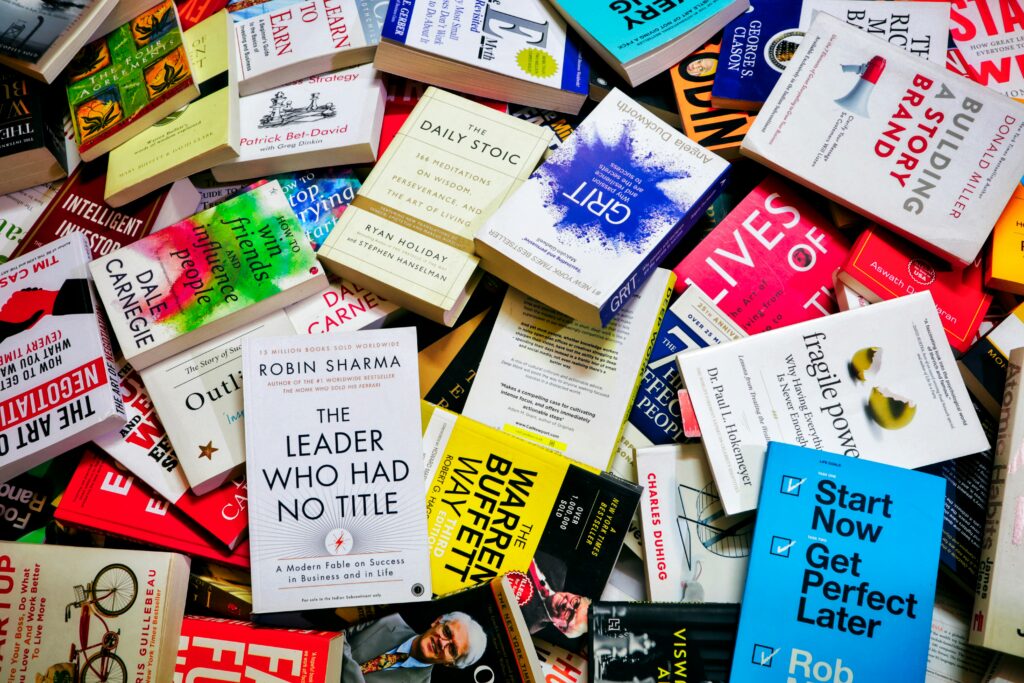
Mindset does not change overnight. It is shaped slowly, through repeated thoughts, beliefs, and experiences. This is where personal growth books play a powerful role. They don’t just motivate you for a moment—they retrain the way your mind works over time.
Many people think mindset is about being positive all the time. In reality, mindset is about how you interpret events, how you talk to yourself, and how you respond when things don’t go as planned. Personal growth books help you become aware of these inner processes. Awareness is always the first step to change.
When you read a personal growth book, you are exposed to new perspectives. You begin to see that the way you think now is not the only way to think. This realization alone can be life-changing. It opens the door to curiosity instead of judgment, learning instead of self-blame.
One of the most important ways books shape mindset is by challenging limiting beliefs. Many beliefs are formed unconsciously—from childhood experiences, past failures, or repeated negative self-talk. A good book gently questions these beliefs and replaces them with healthier ones. Over time, this shifts how you see yourself and what you believe is possible.
Personal growth books also teach emotional awareness. Instead of reacting automatically to stress, fear, or failure, you learn to pause and reflect. This skill is crucial for long-term growth. A strong mindset is not about avoiding emotions, but about understanding and managing them.
Another powerful benefit is pattern recognition. As you read, you begin to notice patterns in your own behavior:
- Why you procrastinate
- Why you repeat the same mistakes
- Why you avoid certain challenges
- Why you doubt yourself even when capable
Books help you name these patterns. Once something is named, it becomes manageable.
Reading also strengthens mental discipline. Sitting with a book requires focus and patience. In a distracted world, this alone builds a stronger mind. Over time, reading trains your brain to think deeper, reflect longer, and react less impulsively.
Personal growth books also offer language for your inner world. Many people feel confused because they can’t explain what they’re experiencing internally. Books give words to emotions, thoughts, and struggles. This clarity reduces mental noise and increases self-understanding.
Another important aspect is long-term thinking. Many mindset problems come from short-term focus—wanting quick results, instant happiness, or fast success. Personal growth books encourage patience. They remind you that growth is a process, not a destination.
Most importantly, books shape mindset by showing that change is possible. When you read about others who have faced fear, failure, loss, or confusion and still grown, your mind begins to accept growth as realistic, not imaginary.
Over time, reading doesn’t just inform you—it transforms you. You begin to think differently, respond more calmly, and act more intentionally. That is how personal growth books quietly but powerfully shape mindset.
Atomic Habits – James Clear
Atomic Habits by James Clear is one of the most practical and realistic books ever written about personal growth and mindset. Instead of focusing on extreme motivation or overnight transformation, this book teaches a simple but powerful truth: your life improves when your daily habits improve.
Many people believe that big success requires big change. James Clear challenges this idea by showing that real transformation comes from small actions repeated consistently. These “atomic habits” may seem insignificant at first, but over time they compound into massive results. This mindset shift alone helps readers stop feeling overwhelmed and start making progress.
One of the strongest ideas in Atomic Habits is that habits shape identity. Clear explains that lasting change happens when you stop focusing only on outcomes and start focusing on who you want to become. For example, instead of saying “I want to read more,” you begin to think, “I am a reader.” Every small habit then becomes a vote for that identity. This approach builds confidence and consistency naturally.
The book also explains why relying on motivation often fails. Motivation is temporary. Some days you feel inspired, and other days you don’t. Habits, however, stay even when motivation disappears. Atomic Habits teaches readers how to design their environment so that good habits become easier and bad habits become harder. This removes the constant mental struggle and replaces it with smart systems.
James Clear introduces the Four Laws of Behavior Change, which explain how habits work:
- Make it obvious
- Make it attractive
- Make it easy
- Make it satisfying
These principles help readers build habits step by step without forcing willpower. For example, instead of trying to exercise for an hour, you start by putting on your workout clothes. This reduces resistance and builds momentum.
Another valuable lesson from the book is the idea of progress over perfection. Many people quit because they expect immediate results. Clear reminds readers that habits often show delayed rewards. You may not see progress right away, but that does not mean nothing is happening. This lesson builds patience and long-term thinking, which are essential for mindset growth.
The book also addresses setbacks honestly. Missing a habit once is normal. What matters is avoiding the habit of quitting. Clear introduces the rule of “never miss twice,” which encourages readers to return to their habits quickly without guilt or self-criticism.
What makes Atomic Habits especially effective is its clarity. The language is simple, the examples are relatable, and the advice is practical. Readers can apply the lessons immediately to areas like reading, fitness, learning, work, and mental health.
For anyone struggling with consistency, discipline, or self-doubt, Atomic Habits provides a framework that feels achievable and empowering. It shows that personal growth does not require pressure—it requires direction and patience.
In short, Atomic Habits teaches that small daily improvements create a strong mindset, sustainable growth, and lasting change. It is a foundational book for anyone serious about personal development.
The Power of Now – Eckhart Tolle
The Power of Now by Eckhart Tolle is one of the most influential books for personal growth and mindset because it focuses on something many people overlook: the present moment. While most self-improvement books concentrate on goals, habits, or future success, this book teaches that real peace and clarity can only be found in the now.
Many people live trapped in their thoughts. They constantly replay the past or worry about the future. Tolle explains that this mental habit creates stress, anxiety, and emotional pain. The problem is not life itself, but how the mind reacts to it. This book helps readers understand that they are not their thoughts—they are the awareness behind them.
One of the most powerful ideas in The Power of Now is the concept of ego. Tolle describes the ego as the false self created by identification with thoughts, labels, and external roles. The ego thrives on comparison, fear, and control. When people are controlled by ego, they often feel restless, defensive, or dissatisfied. By becoming aware of ego-driven thinking, readers learn how to detach from it and find inner calm.
The book also teaches practical ways to stay present. Tolle encourages readers to:
- Observe thoughts without judging them
- Focus on breathing and bodily sensations
- Accept the present moment instead of resisting it
These simple practices help quiet mental noise and create emotional balance. Over time, this leads to better decision-making and deeper self-awareness.
Another important lesson is acceptance. Acceptance does not mean giving up or becoming passive. It means recognizing reality as it is before trying to change it. Resistance often creates more suffering than the situation itself. When readers learn to accept the moment, they gain clarity and energy to respond wisely.
The Power of Now is especially helpful for people who struggle with overthinking, anxiety, or emotional overwhelm. It teaches that peace is not something you achieve in the future—it is something you access by being fully present.
The writing style is calm, reflective, and gentle. Tolle often uses a question-and-answer format, which makes complex ideas easier to understand. The language is simple, but the insights are deep. Many readers find that they need to read the book slowly, reflecting on each section.
What makes this book powerful for mindset growth is that it changes how readers relate to their inner world. Instead of fighting thoughts and emotions, they learn to observe them. This shift creates space between stimulus and reaction—a key skill for emotional intelligence and resilience.
In short, The Power of Now teaches that true personal growth begins with awareness. By learning to live in the present moment, readers can reduce mental suffering, improve emotional stability, and experience life more fully. It is a timeless book for anyone seeking clarity, peace, and a stronger mindset.
Man’s Search for Meaning – Viktor E. Frankl
Man’s Search for Meaning by Viktor E. Frankl is one of the most profound books ever written on personal growth and mindset. Unlike many self-help books that focus on success or happiness, this book explores something far deeper: the human need for meaning, especially during suffering.
Viktor Frankl was a psychiatrist who survived Nazi concentration camps during World War II. In the book, he shares his personal experiences of extreme loss, pain, and hardship. But this is not a story meant to shock or depress the reader. Instead, it is a powerful reminder that even in the worst conditions, humans still have the ability to choose how they respond.
One of the core lessons of the book is that meaning gives strength. Frankl observed that prisoners who found a reason to live—such as love for someone, responsibility toward work, or hope for the future—were more likely to survive emotionally and mentally. Meaning, not comfort, was what kept people going.
Frankl introduces the concept of logotherapy, a form of therapy based on the belief that the main human drive is not pleasure or power, but meaning. When people lack meaning, they often feel empty, lost, or depressed. This idea is extremely relevant today, as many people feel unfulfilled even when their basic needs are met.

Another powerful lesson from the book is the idea of inner freedom. Frankl explains that while external freedom can be taken away, one thing always remains: the freedom to choose one’s attitude. This does not mean ignoring pain or pretending suffering does not exist. It means recognizing that you still have control over how you respond to life’s challenges.
The book also challenges the modern obsession with happiness. Frankl argues that happiness cannot be pursued directly. Instead, happiness comes as a result of living a meaningful life. When people focus on purpose, responsibility, and values, fulfillment follows naturally.
What makes Man’s Search for Meaning especially impactful is its honesty. Frankl does not glorify suffering. He shows how cruel and unfair life can be. But he also shows that suffering does not have to destroy meaning. In fact, it can deepen it.
The writing style is calm, thoughtful, and clear. Frankl does not use complicated language. His message is simple but powerful, which makes the book accessible to readers from all backgrounds.
This book is particularly helpful for readers facing grief, loss, confusion, or major life challenges. It provides comfort without false positivity and motivation without pressure. It teaches that even when you cannot change your situation, you can still change yourself.
In short, Man’s Search for Meaning is a timeless book for personal growth and mindset. It reminds readers that meaning gives life depth, direction, and strength—and that purpose can be found even in the most difficult circumstances.
The Mountain Is You – Brianna Wiest
The Mountain Is You by Brianna Wiest is a powerful book about self-sabotage, emotional healing, and personal transformation. Unlike traditional motivational books that focus only on action and discipline, this book goes deeper into the inner struggles that silently hold people back.
The central idea of the book is simple but eye-opening: the biggest obstacle in your life is often yourself. The “mountain” in the title represents internal resistance—fear, past trauma, negative beliefs, and emotional patterns that prevent growth. Brianna Wiest explains that many people do not fail because they are incapable, but because they unconsciously sabotage their own progress.
One of the strongest aspects of this book is how it explains self-sabotage in a compassionate way. Instead of blaming or shaming the reader, Wiest shows that self-sabotage is often a form of self-protection. For example, fear of failure, fear of success, or fear of change can cause people to stay stuck in familiar but unhealthy patterns. Understanding this helps readers stop fighting themselves and start healing.
The book emphasizes the importance of emotional awareness. Wiest explains that emotions are not problems to be avoided, but signals that guide growth. Suppressing feelings only makes them stronger. Facing them honestly is what leads to real change. This approach is especially helpful for people who feel overwhelmed, anxious, or emotionally blocked.
Another key lesson is that personal growth requires responsibility. Wiest encourages readers to stop waiting for motivation and instead commit to consistent self-awareness. Growth does not come from dramatic changes but from small, intentional shifts in thinking and behavior over time.
The writing style of The Mountain Is You is reflective and gentle. It feels like a deep conversation rather than a lecture. Many sections read like reminders rather than instructions, which makes the book emotionally comforting while still being practical.
The book also highlights the importance of rebuilding self-trust. When people repeatedly break promises to themselves, they lose confidence. Wiest explains that healing starts when you begin keeping small commitments and respecting your own needs and boundaries.
This book is especially valuable for readers who feel stuck despite trying many self-help methods. It helps explain why change feels difficult and offers clarity instead of pressure. It is not about becoming someone new, but about removing what is blocking the real you.
In terms of mindset, The Mountain Is You teaches that growth is not linear. Healing takes time, patience, and self-compassion. Progress does not mean perfection—it means awareness and effort.
Overall, The Mountain Is You is an excellent book for personal growth and mindset because it addresses the root causes of inner struggle. It helps readers understand themselves better, let go of harmful patterns, and move forward with clarity and self-respect.
Can’t Hurt Me – David Goggins
Can’t Hurt Me by David Goggins is not a soft or comforting personal growth book. It is raw, intense, and brutally honest. This book is about mental toughness, discipline, and pushing past limits most people believe are fixed. David Goggins shares his life story to prove that the human mind is far more powerful than circumstances.
Goggins grew up in extreme hardship—abuse, poverty, obesity, and low self-confidence. Instead of letting these experiences define him, he used them as fuel. The book shows that personal growth is not always about motivation; it is about choosing discipline even when motivation disappears.
One of the core messages of this book is that pain is not something to avoid—it is something to learn from. Goggins explains that avoiding discomfort keeps people weak, while facing it builds strength. He believes growth only happens when you push beyond what feels comfortable.
Key Ideas and Lessons from the Book
- You are capable of far more than you think
Goggins introduces the idea that most people operate at a small percentage of their true potential. Mental limits, not physical ones, are what stop progress. - Callous the mind
Just like hands become tougher through hard work, the mind becomes stronger through repeated exposure to difficulty. - Take full accountability
Goggins does not blame society, parents, or circumstances. He takes responsibility for every failure and success, teaching readers to do the same. - The Accountability Mirror
One of the most powerful tools in the book. Goggins wrote his weaknesses on sticky notes and placed them on a mirror so he could not escape the truth. - Suffering has a purpose
Pain builds mental resilience. Without struggle, growth remains shallow.
The book also introduces the “cookie jar” method, where Goggins mentally stores past achievements and moments of strength. When life becomes difficult, he reminds himself of what he has already overcome. This builds confidence and mental endurance.
What makes Can’t Hurt Me different from many mindset books is its honesty. Goggins does not pretend growth is easy or enjoyable. He clearly states that self-improvement is hard, uncomfortable, and often lonely—but worth it.
This book is especially powerful for:
- People who feel mentally weak or stuck
- Those struggling with discipline and consistency
- Anyone who makes excuses instead of taking action
- Readers who want real, uncomfortable truth instead of motivation quotes
However, it is important to note that this book promotes extreme discipline. It may not suit everyone, especially those seeking emotional healing first. But for mindset strength and resilience, it is unmatched.
In terms of personal growth and mindset, Can’t Hurt Me teaches that confidence is built through action, not affirmations. Respect for yourself comes from doing what you said you would do—especially when it’s hard.
Overall, this book is a powerful reminder that your past does not define your future, and your mind is either your greatest weapon or your biggest weakness—depending on how you train it.
Think and Grow Rich – Napoleon Hill
Think and Grow Rich by Napoleon Hill is one of the most influential personal growth books ever written. First published in 1937, it has shaped the mindset of millions of people across generations. While the title mentions “rich,” the book is not only about money. At its core, it is about how thoughts, beliefs, and habits shape your success in every area of life.
Napoleon Hill spent over 20 years studying some of the most successful people of his time, including Andrew Carnegie, Henry Ford, Thomas Edison, and many others. From these studies, he identified common principles that successful people consistently follow. The book shows that success starts in the mind long before it appears in the physical world.
One of the key ideas in Think and Grow Rich is that whatever the mind can conceive and believe, it can achieve. This does not mean success comes without effort. Instead, it highlights the importance of clarity, persistence, and belief combined with action.
Core Principles Explained in Simple Terms
- Definite Desire
Success begins with a clear goal. Vague wishes create vague results. Hill emphasizes writing down exactly what you want and why you want it. - Faith and Belief
Believing in your goal builds confidence. Repeating positive affirmations helps reprogram the subconscious mind. - Autosuggestion
What you repeatedly tell yourself influences your actions. Your inner dialogue shapes your behavior. - Specialized Knowledge
You don’t need to know everything—just the right knowledge and how to use it. - Imagination
Every invention and achievement begins as an idea. Creative thinking is a powerful tool. - Persistence
Most people fail not because they lack ability, but because they quit too soon. - Mastermind Principle
Surrounding yourself with like-minded people multiplies success. Collaboration accelerates growth.
One of the most practical lessons in the book is persistence. Hill explains that many people give up just before success appears. Temporary failure is not permanent defeat unless you accept it as such. This mindset shift alone has helped countless readers stay committed during difficult times.
Why This Book Is Still Relevant Today
Even in today’s fast-paced world, the principles in Think and Grow Rich remain powerful because human behavior has not changed. Fear, doubt, procrastination, and lack of confidence are still the biggest obstacles to success.
The book also addresses fear, especially:
- Fear of failure
- Fear of criticism
- Fear of poverty
Hill teaches that recognizing and confronting these fears weakens their control over your decisions.
How This Book Helps Personal Growth and Mindset
- Builds confidence and self-belief
- Teaches goal clarity and focus
- Encourages disciplined thinking
- Helps overcome fear and self-doubt
- Strengthens persistence and patience
This book is ideal for readers who want:
- A strong success mindset
- Better goal-setting habits
- Motivation rooted in discipline, not hype
Think and Grow Rich is not a quick-fix book. It requires reflection and consistent practice. But for those willing to apply its lessons, it becomes a lifelong guide to personal growth.
In the journey of building a powerful mindset, this book teaches one core truth: your outer results are a reflection of your inner thinking.